

David’s Commentary – 4 June 2026
Precious metals have now been consolidating for the last four months, following the major price correction at the end of January 2026. This correction came after a spectacular 14-month advance (and more accurately 23 month advance), during which prices finally began to catch up with the hard, long-standing fundamentals that have been building beneath the surface for many years.
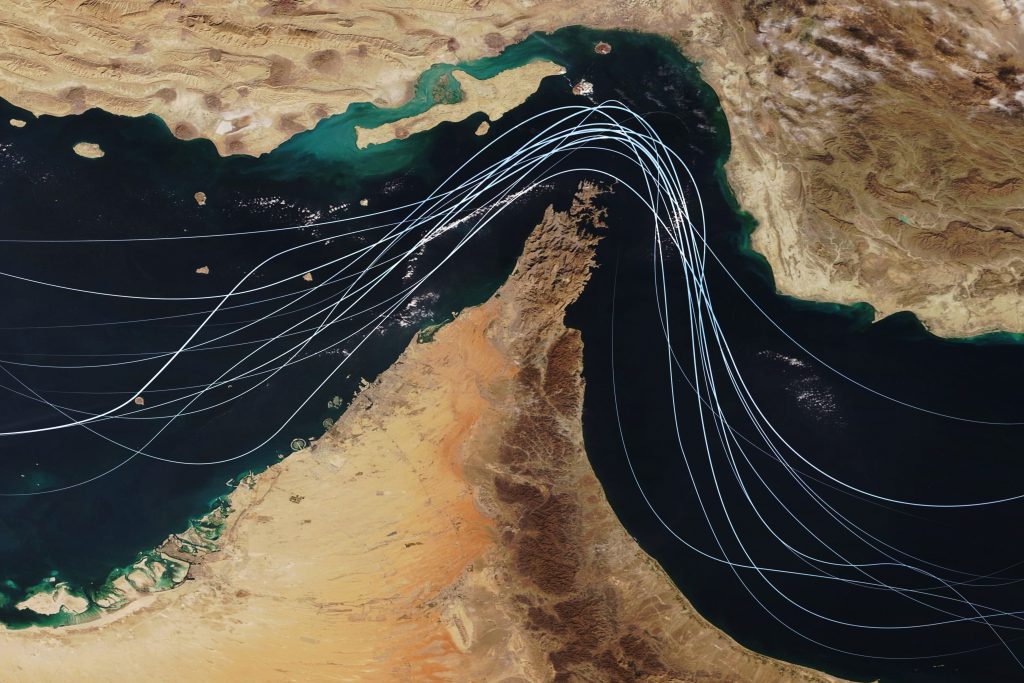
Since the war with Iran began and the Strait of Hormuz closed on 28th February, precious metals have reacted in a highly unusual and, at first glance, counterintuitive manner. At the slightest hint of peace, or any suggestion that the Strait of Hormuz could reopen, metals prices immediately become energised and threaten to break out to the upside from their consolidation ranges into the next major leg higher.
Yet each time that optimism is then crushed by the reality that there is no peace, and that the Strait remains effectively closed, prices are forced back down again.
So why has this war created a discount in precious metals prices? Fundamentally, it makes very little sense. War, geopolitical instability, disrupted trade routes, higher energy prices, and rising sovereign risk should, under normal market logic, be positive for gold, silver, and the broader precious metals complex.
The market’s current explanation appears to be centred around several key factors.
• First, the closure of the Strait has imposed severe cash-flow constraints on sovereign states and regional exporters, particularly in the Middle East. Some of these entities have been forced to liquidate their most liquid assets, which is very much gold, to cover immediate funding shortfalls.
• Second, economies hit hard by higher energy prices may also be selling gold to secure foreign currency liquidity. Turkey is a clear example of this dynamic. With the Turkish lira under persistent pressure from inflation and currency weakness, the central bank has frequently relied on gold reserves to stabilise the economy, defend the currency, pay for expensive energy imports, and manage periods of financial stress.
• Third, global instability has temporarily supported the U.S. dollar. In crisis periods, markets often default to the dollar as the preferred liquidity haven. This can create short-term pressure on precious metals, even when the underlying fundamentals remain strongly supportive.
• Fourth, physical supply chains have been disrupted. While global spot prices continue to fluctuate, physical bullion movements, particularly from major refining and trading hubs such as Dubai, have suffered from severe logistical disruption, flight restrictions, and trapped inventory. This has created localised discounts and forced immediate cash repricing among regional dealers.
• Fifth, speculative selling has added further pressure, particularly in silver. Silver remains highly exposed to industrial demand, including electronics, solar, energy infrastructure, and manufacturing. In periods of war, energy shock, and economic growth concerns, speculative money often exits these positions quickly on fears of lower industrial demand, exaggerating the downside move.
While all these factors are valid and have created initial headwinds for precious metals prices, I would argue that the majority of this war-related discount and speculative selling has now already been priced in.
The key point is this: forced selling, liquidity stress, and short-term dollar strength can suppress prices temporarily, but they do not alter the structural fundamentals. If anything, they very much strengthen the longer-term case.
Once the immediate liquidity pressure subsides, and once the market begins to look beyond the short-term distortions caused by the war, the underlying drivers remain firmly in place: monetary debasement, sovereign deficits, supply chain fragility, physical market tightness, rising geopolitical risk, and a growing loss of confidence in paper assets.
In my view, the current consolidation is “not a sign” of weakness. It is a forced discount created by temporary war-related liquidity pressures, and those pressures are now close to being fully absorbed by the market.
The Resolution Higher in Metal Prices Is Irreversible and Unavoidable – The Expected Roadmap
No matter what happens in the very short term, it is becoming increasingly obvious that the Iran war will ultimately prove to be a major tailwind for Gold and the broader precious metals complex.
Below is a brief roadmap of how I see this conflict unfolding, and more importantly, the likely financial and monetary consequences that flow from it………
Iran now appears to have full and effective control over the Strait of Hormuz, the single most important energy corridor in the world. Since the outright closure of the Strait on 28th February 2026, the global economy has been dealing with what is arguably the largest energy and commodity shock in modern history, certainly since the end of the Second World War.
According to the International Energy Agency and a number of global energy analysts, the scale of this disruption surpasses previous historic energy crises, including the 1973 Yom Kippur War and the 1979 Iranian Revolution.
The problem for the West is brutally simple: removing Iran’s control over Hormuz would likely require a successful full-scale ground invasion of Iran, a country roughly five times the size of Germany, with extremely difficult terrain, deep military infrastructure, and a highly motivated domestic defence capability.
A full-scale ground invasion is therefore highly unlikely. Even if attempted, the probability of success would be extremely low.
This means Iran is likely to retain effective control over Hormuz for the foreseeable future.
That leaves the United States facing the prospect of a historic strategic defeat, regardless of how Washington attempts to repackage or politically spin the outcome.
This comes at the worst possible moment. The United States, and indeed much of the global financial system and Sovereign nations, was already approaching a major debt crisis before the Iran war began. The direct and indirect effects of this conflict, higher energy prices, disrupted trade routes, increased military spending, inflationary pressure, and weakening global confidence, are unavoidably going to accelerate and deepen that global debt crisis.
The likely response will be the same response governments always reach for when trapped by impossible debt burdens: currency debasement.
The U.S. government will be forced to further debase the dollar in an attempt to manage its worsening debt position. This is not a question of preference; it is simply a question of arithmetic.
As debt expands, deficits widen, inflation re-accelerates, and geopolitical credibility deteriorates, the U.S. dollar’s reserve currency status will come under increasing pressure. A major debt crisis, combined with rising inflation and a visible geopolitical defeat, could mark the beginning of a decisive loss of confidence in the dollar-based financial system.
Gold is the obvious beneficiary.
As a hard-money alternative to fiat currency, gold sits outside the credit system, outside political promises, and outside the expanding liabilities of governments that have no credible path back to fiscal discipline.
This is why the resolution higher in precious metals is not simply a market view, it is, in my opinion, irreversible and unavoidable.
Short-term volatility, corrections, forced selling, and liquidity shocks may continue. But they do not change the destination. They merely delay the inevitable.
The longer the conflict continues, the more obvious the conclusion becomes: the world is moving further away from paper promises and back toward hard money.
As Jeff Currie regularly states ….
“Demand is growing; supply is shrinking. We’re filling that deficit gap with standing inventory. When you eventually run out of inventory, demand has to come down to supply levels, which is a major price revaluation… You cannot print molecules.”
Over the next few days , I will be writing further updates on the individual metals, together with any key charts, market dynamics, timing signals, and structural factors that I believe are important.
In the meantime, I think our position is very clear: we are buyers on these dips.
Disclaimer: This commentary represents the personal views of the author and is intended for informational purposes only. Nothing herein constitutes financial or investment advice.