
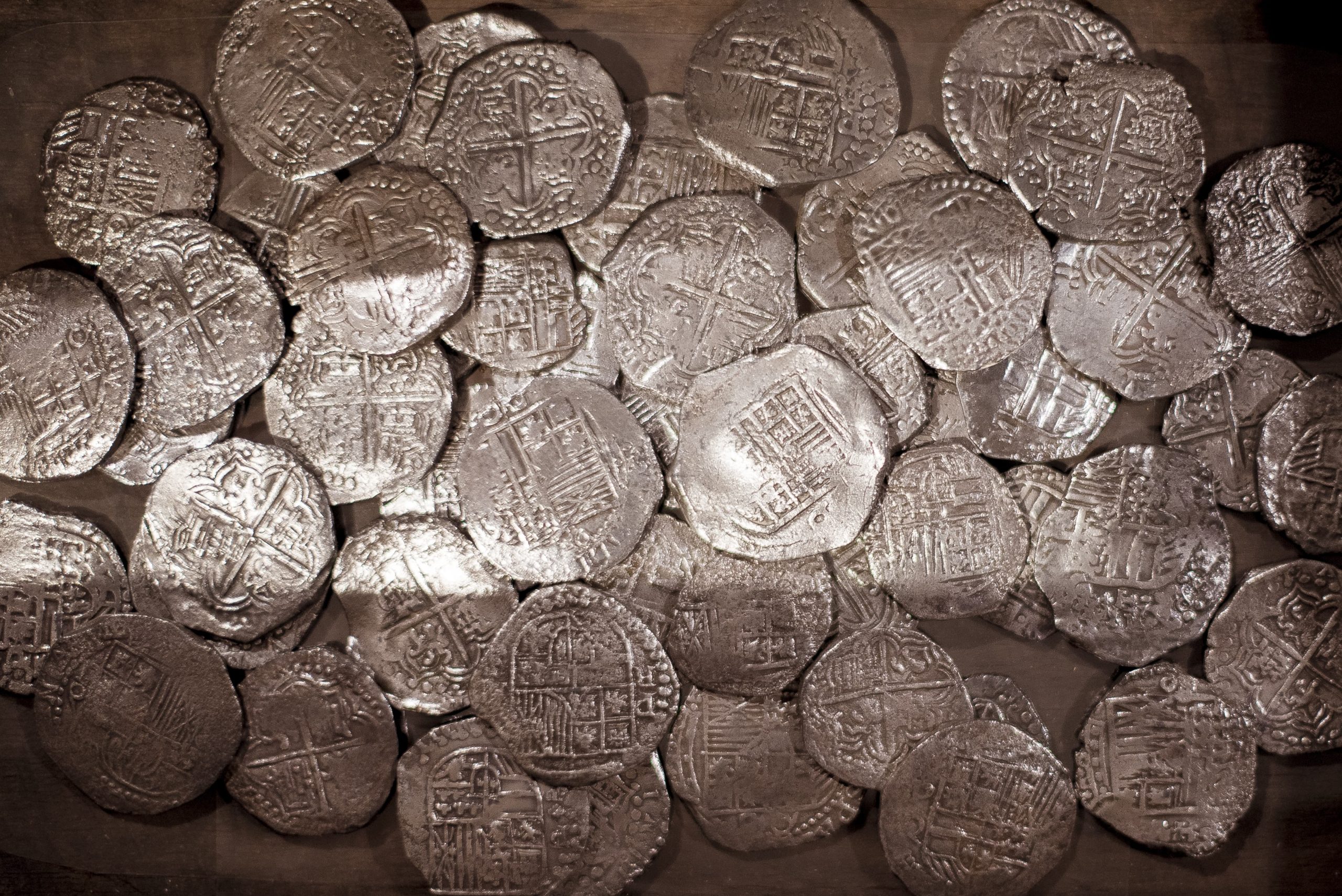
For thousands of years, silver was not merely a commodity. It was money.
It facilitated international commerce, supported the development of economies and enabled individuals to accumulate wealth long before the emergence of modern banking systems.
Today, silver is predominantly viewed through the lens of industrial demand, technological applications and commodity price movements. Its monetary heritage, however, remains particularly relevant in an environment characterised by rising sovereign debt, persistent fiscal deficits and concerns over long-term purchasing power.
To understand silver’s potential role in the modern financial system, it is worth revisiting the principles that originally made it money.
Silver as Money: A History That Spans Civilisations
Silver’s monetary significance extends across continents and centuries.
From the silver drachma of ancient Greece and the Roman denarius to the Spanish silver dollar that facilitated international trade, silver formed an essential part of global commerce.
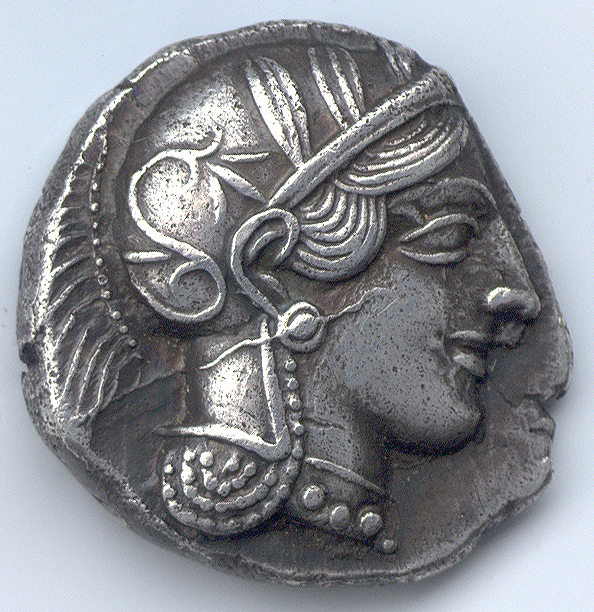
In China, silver served as a major instrument of taxation, trade and wealth accumulation for centuries. The British monetary system also has historical connections to silver, with the pound sterling originally representing a weight of the metal.
These monetary systems emerged independently across different societies, yet silver repeatedly occupied a central position.This was no coincidence.
Its durability, divisibility, recognisability and relative scarcity made it suitable for transferring and storing economic value.
Unlike agricultural commodities, silver did not deteriorate rapidly. Unlike many other materials, it could be divided, refined and transported while retaining its intrinsic material properties.
Silver became a practical monetary asset because of these characteristics, not simply because governments declared it valuable.
What Is Sound Money?
The concept of sound money is generally associated with money that can maintain purchasing power over extended periods and is resistant to arbitrary expansion.
Historically, precious metals played an important role in monetary systems because their supply was constrained by physical availability and production costs.
Increasing the supply of silver required exploration, mining, refining, labour, energy and capital investment.
Modern fiat currencies operate differently.
Their supply is influenced by monetary policy, commercial bank lending, government borrowing and broader financial conditions.
This flexibility allows governments and central banks to respond to financial crises and changing economic circumstances. However, excessive monetary expansion, particularly when accompanied by persistent fiscal deficits and supply constraints, can contribute to inflation and declining purchasing power.
The distinction is not that precious metals possess a permanently fixed value. They do not.
Rather, their supply cannot be expanded through monetary decisions alone.
Physical scarcity introduces a constraint that is fundamentally different from those governing modern currency creation.
The Growing Disconnect Between Currency and Purchasing Power
One of the most important distinctions in wealth preservation is the difference between nominal value and real purchasing power.
An individual may accumulate more currency over time while experiencing a decline in what that currency can purchase.
This is particularly relevant during prolonged periods of inflation.
As governments confront rising debt-servicing costs, demographic pressures and increasing expenditure commitments, policymakers face difficult choices.
Higher taxation, spending reductions, economic growth and monetary accommodation all represent potential responses to fiscal pressures.
None comes without consequences.
For investors, the central question is not necessarily whether the existing monetary system will fail. It is whether the purchasing power of accumulated savings can be maintained over several decades.
Physical precious metals offer a different form of wealth ownership because they do not represent the debt obligation of a government or financial institution.
This does not guarantee protection against inflation over every investment period. Silver can experience significant price corrections and extended periods of underperformance.
Nevertheless, its independence from an issuer’s balance sheet remains an important characteristic.
Silver’s Dual Identity: Monetary Asset and Industrial Commodity
Unlike gold, silver occupies a particularly complex position within the global economy.
Its historical monetary characteristics coexist with extensive modern industrial applications.
Silver is used in solar energy systems, electrical infrastructure, electronics and numerous advanced technologies. These applications introduce a significant source of demand that operates independently of its traditional monetary role.
As examined in David J. Mitchell’s recent commentary, Why Silver Is Repricing Now: The Monetary and Industrial Forces Behind a Structural Shift, the interaction between monetary demand, industrial consumption and physical supply constraints is central to understanding silver’s evolving market position.
However, this dual identity also introduces additional volatility.
During economic downturns, weakening industrial demand may place downward pressure on silver prices, even when investors are seeking greater financial security.
Conversely, periods of industrial expansion accompanied by strong investment demand may place simultaneous pressure on available physical supply.
Silver therefore cannot be understood entirely through conventional monetary analysis or industrial commodity analysis alone.
Its significance lies in the intersection of both.
Physical Ownership in an Increasingly Digital Financial System
Modern wealth is increasingly represented through digital balances, financial contracts and electronic records.
Bank deposits, equities, bonds and other financial instruments are essential components of the global economy. However, many of these assets depend on the performance or solvency of counterparties.
Direct ownership of physical silver introduces a different structure.
A silver bar or coin held outright does not require an issuer to fulfil a financial promise for the metal itself to exist.
Its market value will fluctuate, and ownership introduces considerations such as storage, insurance, liquidity and transaction costs. Nevertheless, the distinction between owning a tangible asset and holding a financial claim remains significant.
At Indigo Precious Metals, investors can access internationally recognised silver bullion bars and silver bullion coins, with options for personal collection, professional vault storage and insured delivery.
For investors who value tangible ownership, physical bullion provides a direct connection to the underlying metal.
Does Silver Need to Become Money Again?
The investment case for silver does not require a return to historical silver standards or the widespread use of silver coins in everyday transactions.
Modern fiat currencies provide convenience, transactional efficiency and the infrastructure necessary to support complex economies.
Physical precious metals can serve a different purpose.
Rather than competing directly with modern payment systems, silver can exist alongside them as a tangible asset within a diversified approach to wealth preservation.
Its historical monetary role provides context for understanding why investors continue to hold it, even after its disappearance from most circulating currencies.
The distinction is important.
Silver does not need to replace modern money for its monetary characteristics to remain relevant.
The Bigger Picture: Sound Money in an Age of Debt
The debate surrounding sound money ultimately extends beyond gold and silver.
It concerns the relationship between currency, debt, scarcity and the preservation of economic value.
As global financial systems continue to evolve, the importance of understanding these relationships should not be overlooked.
Silver’s monetary history offers a perspective that stretches far beyond quarterly economic data, interest-rate announcements and short-term market corrections.
Its industrial relevance introduces additional opportunities and risks, while its physical characteristics continue to distinguish it from assets dependent on an issuer’s financial obligations.
At Indigo Precious Metals, we believe that understanding the historical and economic foundations of precious metals is essential to making informed ownership decisions.
Silver’s relevance is not determined solely by whether it remains a recognised form of currency. It is also determined by the enduring characteristics that made it money in the first place.
Rediscover the value of physical silver.
Explore our range of investment-grade silver bars and silver coins, or monitor the latest market movements through our Silver Price Index.
Disclaimer: This article is published by Indigo Precious Metals for general informational and educational purposes only. It does not constitute financial or investment advice. Precious metals prices fluctuate, and past performance does not guarantee future results.